1 min read
From Clipboard to Command Center: Why Marinas Are Digitizing Slip Contracts
 Erin Sayer : 7/10/26, 2:10 PM
How moving your long-term agreements onto one system protects your revenue, your season, and your staff's sanity.
10 min read
 Team Dockwa
:
Updated on August 3, 2026
Team Dockwa
:
Updated on August 3, 2026
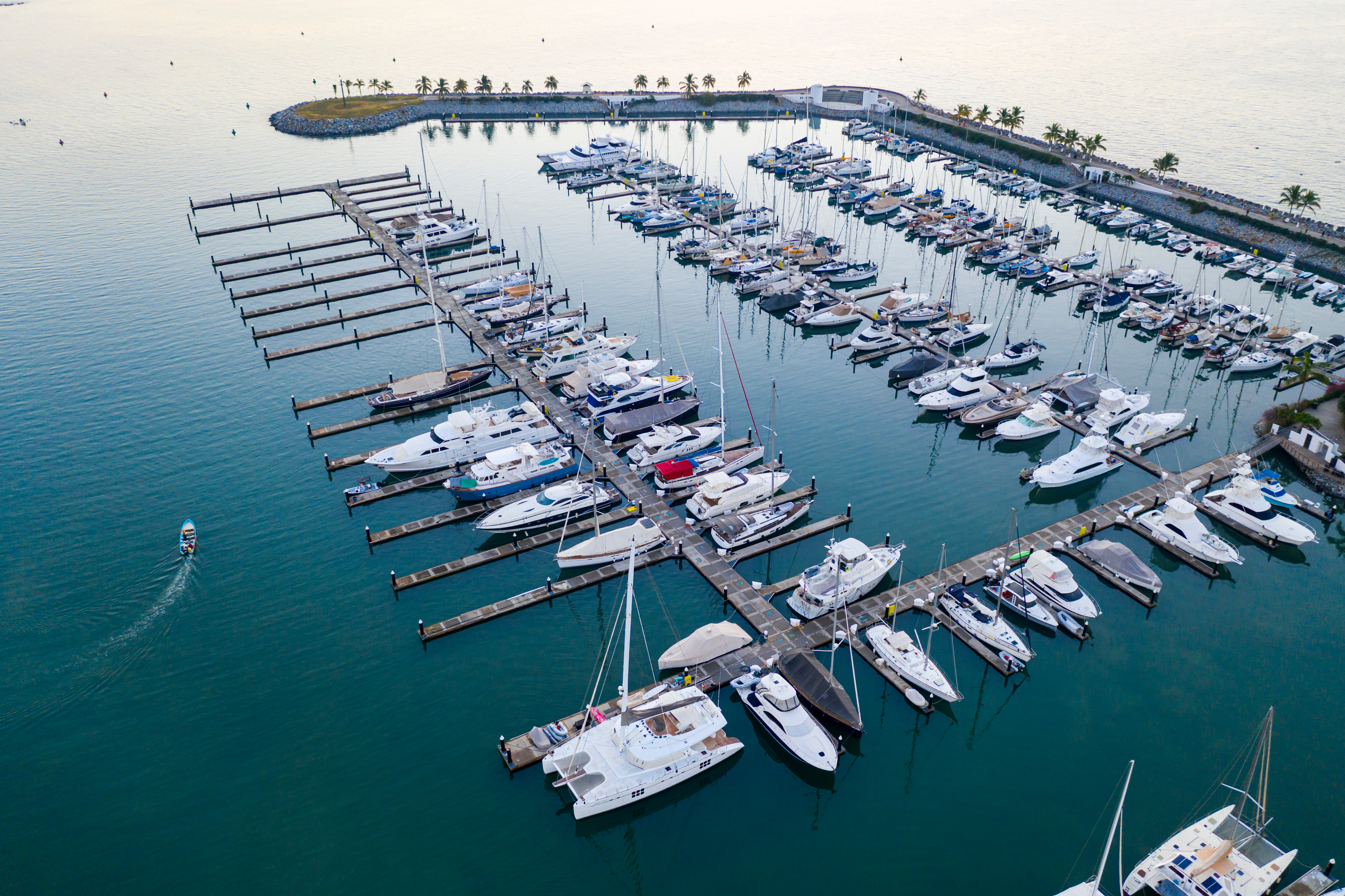
Running a marina involves a lot of moving parts: slip reservations, payment collection, boater communications, and customer data management. If you're still relying on paper logs, spreadsheets, or disconnected systems, you're likely spending more time on admin work than you need to. Marina management software brings all these functions together in one place, helping you save time, reduce errors, and give boaters a better experience.
This guide walks you through everything you need to know about choosing the right marina management software. You'll learn what features to prioritize, how to evaluate reservation and payment systems, and what questions to ask before making a decision.
Whether you manage a small municipal harbor or a full-service marina, the right software can help you work smarter and grow your business.
Marina management software is a digital platform designed to help you run day-to-day operations more efficiently. It handles tasks like booking slip reservations, processing payments, managing contracts, and communicating with boaters.
Unlike generic business software, marina-specific tools understand the unique challenges of waterfront operations. Your marina has seasonal demand spikes, variable pricing based on vessel size, and customers who expect modern conveniences like mobile booking.
The right software acts as a central hub where your team can access real-time information about slip availability, upcoming arrivals, payment status, and customer history. This replaces the need for separate spreadsheets, paper logs, and manual record-keeping.
A good reservation system is the foundation of efficient marina management. It lets boaters request slips online while giving you full control over availability and approvals.
Research shows that 35% of marina bookings happen during evening hours when most offices are closed. Without an online reservation system, you could be missing nearly half of potential transient business. Digital booking captures these requests automatically and collects vessel details and payment information upfront.
Modern reservation tools also include waitlist management, which notifies boaters when their preferred slip becomes available. This keeps your occupancy rates high even during busy seasons when demand exceeds supply.
The most effective reservation systems allow boaters to see real-time availability and submit requests from any device. They should collect vessel dimensions, insurance documents, and payment details during the booking process.
Look for software that lets you manage both transient and seasonal reservations in the same interface. You'll also want the ability to set different rates based on vessel size, slip location, or time of year.
Integration with a visual marina map makes slip assignments faster and more accurate. Your team can see at a glance what's occupied, what's arriving, and what's available.
Payment challenges are among the most common operational issues marinas face. Collecting fees from seasonal customers, processing fuel transactions, and chasing late payments all take time away from serving boaters.
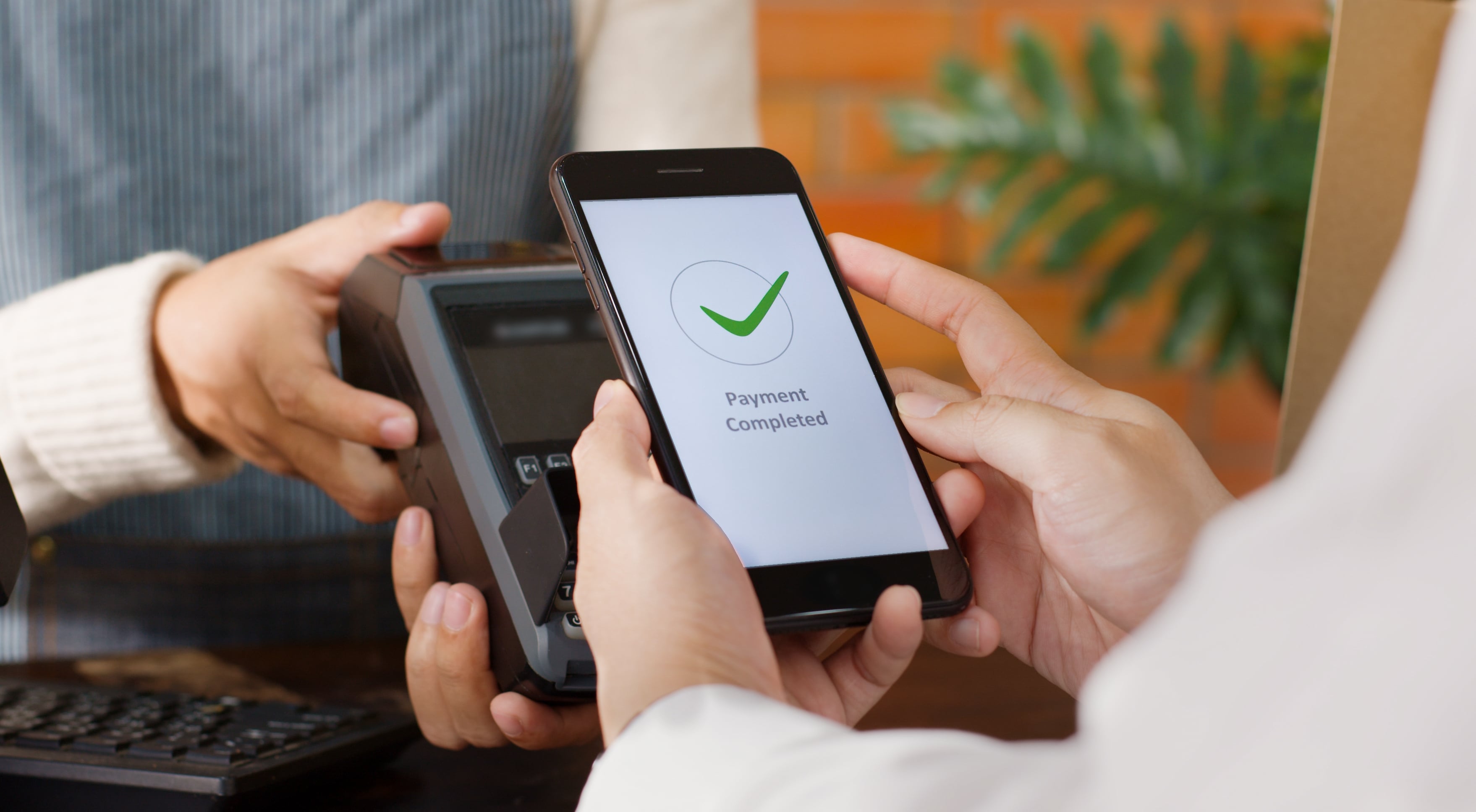
Modern marina payment processing tools simplify these tasks. They let you set up autopay for recurring charges, send digital invoices, and accept payments from anywhere on your property.
The goal is to make transactions fast and convenient for both your staff and your customers. Boaters increasingly expect the same digital payment options they use elsewhere, including credit cards, mobile wallets, and contactless checkout.
Automated billing eliminates the manual work of generating invoices and following up on late payments. You can schedule recurring charges for slip rentals, storage fees, and membership dues.
When payments are collected automatically through a card on file, you spend less time on collections calls and more time on customer service. This also improves cash flow predictability throughout the year.
Some platforms integrate directly with accounting software like QuickBooks, which eliminates duplicate data entry and keeps your financial records accurate.
Your boaters' information is one of your marina's most valuable assets. Customer data management features help you organize and use this information effectively.
A good CRM (customer relationship management) system stores contact details, vessel specifications, insurance documents, service history, and communication records in one profile. When a boater calls or arrives at the dock, your staff has immediate access to everything they need.
Dockwa's customer profiles include full conversation history, vessel documents, and billing records. This helps your team deliver consistent, personalized service regardless of who's working that day.
Marina software handles sensitive customer information including credit card numbers, contact details, and vessel registration data. Protecting this information is both a legal requirement and a trust issue with your customers.
Look for platforms that use encryption to protect data in transit and at rest. PCI DSS compliance is essential for any software that processes payment information.
Regular data backups ensure you won't lose critical records if something goes wrong. Cloud-based systems typically handle these backups automatically.
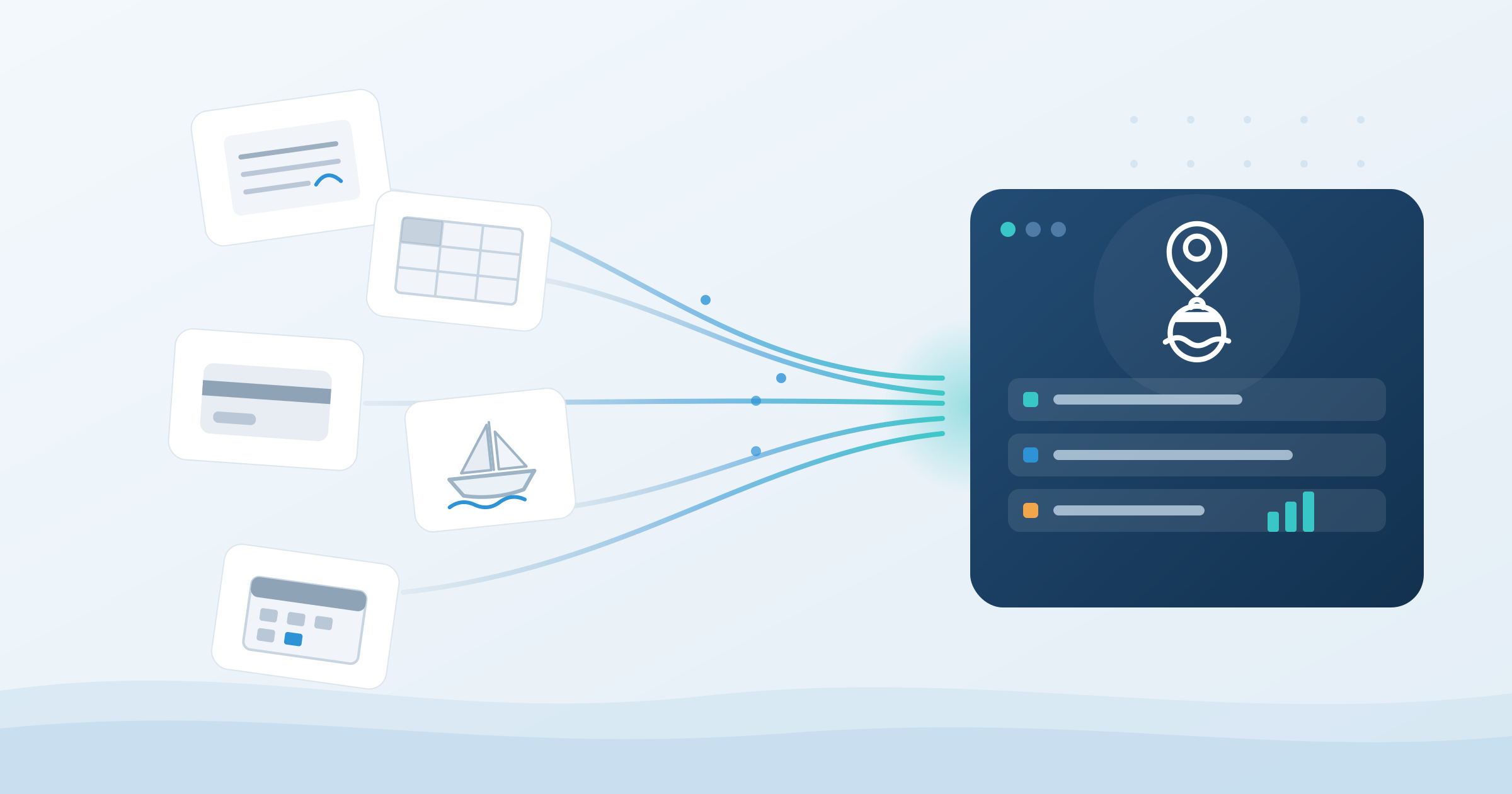
Managing slip contracts has traditionally involved a lot of paper: printing agreements, mailing them to customers, collecting signatures, and filing signed copies. Digital contract management eliminates most of this work.
E-signature capabilities let boaters review and sign agreements from their phone or computer. The signed documents are stored automatically in their customer profile, creating a complete audit trail.
Some marina operators report saving 40 minutes or more per contract when they switch from paper to digital workflows. That time adds up quickly during contract renewal season.
Boaters appreciate the convenience of handling paperwork remotely. They don't have to drive to your office or wait for documents to arrive in the mail.
Digital contracts also reduce errors. Required fields ensure customers give all necessary information before signing. You can include terms and conditions that customers must acknowledge, reducing disputes later.
Automatic reminders help you stay on top of expiring contracts so you can begin renewal conversations at the right time.
Many marinas generate significant revenue from fuel sales and ship store transactions. Your management software should handle these functions smoothly.
A marina-specific point of sale system integrates fuel pumps with your checkout process. This eliminates the need for separate systems and gives you unified reporting across all revenue streams.
Dockside checkout capabilities let your staff process transactions where the customer is, rather than making boaters walk to the office. This speeds up the fueling process and improves customer satisfaction.
Look for systems that support card-on-file payments so returning customers can check out quickly. Tipping functionality lets boaters show appreciation for dock staff directly through the payment terminal.
Inventory management helps you track ship store stock levels and reorder before you run out of popular items. Sales reporting shows you which products generate the most revenue.
Integration with your reservation and contract systems means you can apply charges to a customer's account rather than requiring payment at each transaction.
Visualizing your marina's inventory helps you maximize occupancy and coordinate your team. Storage management features show you exactly what's in use and what's available at any moment.
A digital marina map replaces paper charts and whiteboards that quickly become outdated. Changes are visible to everyone instantly, reducing confusion and double-bookings.
Smart assignment features can match vessels to appropriate slips based on length, beam, and draft requirements. This helps you fit more boats safely while protecting your docks and customers' vessels.
When arrivals, departures, and availability are visible in real time, your dock staff can prepare for incoming vessels and respond to questions accurately. They don't have to call the office to find out if a slip is available.
Mobile access lets dockhands update vessel locations and meter readings from the dock. This information flows immediately to the main system, keeping everyone on the same page.
Some platforms include dockwalk features that guide staff through routine checks and let them record observations digitally.
Before committing to any platform, you'll want clear answers to several practical questions. These help you understand how well the software will fit your specific operation.
Ask about implementation timelines and what support you'll receive during setup. Migrating data from existing systems can be complex, and you'll want to know how the vendor handles this process.
Training is equally important. Find out what resources are available for your team, including documentation, videos, and live support. Staff adoption determines whether you'll actually realize the benefits of new software.
Your marina software should work with tools you already use. Accounting integrations eliminate duplicate data entry and keep your financial records accurate.
Consider whether the platform can grow with your business. If you add new docks, acquire another marina, or expand your services, your software should accommodate these changes without requiring a complete overhaul.
Cloud-based systems generally offer better scalability than locally-installed software. They also give you the flexibility to access your marina data from anywhere.
Some marinas piece together multiple specialized tools: one for reservations, another for accounting, a third for customer communications. While each tool might work well individually, this approach creates challenges.
Data doesn't flow automatically between disconnected systems. Staff have to enter information multiple times, which increases errors and wastes time. Getting a complete picture of a customer or your business requires pulling data from several places.
All-in-one platforms like Dockwa bring reservations, contracts, payments, CRM, and operations into one system. This unified approach simplifies training, reduces errors, and gives you better visibility into your business.
When all your data lives in one system, you can see relationships that aren't visible in fragmented setups. You might notice that customers who book through a certain channel tend to spend more on fuel, or that certain slip sizes fill up faster during specific weeks.
Reporting becomes much simpler when you don't have to combine data from multiple sources. You can track revenue, occupancy, and customer trends in one place.
Your staff also benefit from learning one system thoroughly rather than managing multiple interfaces. This makes training faster and reduces mistakes during busy periods.
Marina work doesn't happen at a desk. You and your team are on the docks, at the fuel station, and around the property. Mobile access lets you manage operations from wherever you are.
A good mobile experience includes the ability to check slip availability, process payments, view customer information, and communicate with boaters. Dock staff can update records without walking back to the office.
For marina owners and managers, mobile access means you can monitor your business even when you're off-site. You can respond to urgent questions, approve reservations, and review daily reports from your phone.
Boaters expect to handle routine tasks from their phones. Making reservations, paying invoices, and messaging your staff should all be available through a mobile-friendly interface.
Some platforms include dedicated boater apps that make these interactions even smoother. Boaters can manage their relationship with your marina without phone calls or office visits.
This convenience factor influences which marinas boaters choose. A great mobile experience can help you attract and retain customers.
Understanding how your marina performs helps you make better decisions. Reporting and analytics features turn your operational data into actionable insights.
Basic reports show occupancy rates, revenue by category, and outstanding receivables. More advanced analytics reveal trends over time and help you forecast demand for upcoming seasons.
Financial reporting should integrate with your actual billing data so numbers are accurate without manual reconciliation. This saves time and prevents the errors that come from re-entering data.
Look for tools that help you identify underutilized assets. If certain slip sizes or locations are consistently vacant, you might adjust pricing or marketing to fill them.
Dynamic pricing tools can automatically adjust rates based on demand, helping you capture more revenue during peak periods without pricing yourself out of slower times.
Customer analytics help you understand which boaters are most valuable and what services they use. This information guides where to invest your improvement efforts.
Implementing new software is a significant undertaking. The level of support you receive during and after implementation affects your success.
Look for providers that offer hands-on onboarding assistance, including data migration from your existing systems. The transition period is when problems are most likely to occur, so responsive support matters.
Ongoing training resources help your team get the most from the software over time. New features, staff changes, and seasonal hiring all create needs for continued learning.
Support staff who understand marina operations can answer questions more effectively than generic tech support. They recognize the terminology and workflows specific to your industry.
Some providers assign dedicated success managers who learn your marina's specific needs and goals. This relationship ensures you're getting value from the software and helps you discover features you might not be using.
Dockwa's support team includes marina industry professionals who understand the seasonal rhythms and operational challenges you face.
The right marina management software handles reservations, payments, and customer data in one unified platform. It reduces manual work, improves accuracy, and helps you deliver a better boater experience.
As you evaluate options, focus on features that address your biggest operational challenges. Consider how the software will grow with your business and what level of support you'll receive during implementation and beyond.
Visiting case studies from other marinas can help you understand how operators similar to you have benefited from making the switch. The experiences of your peers often reveal practical insights that product descriptions don't capture.
Take time to request demonstrations and ask detailed questions. The investment you make in choosing the right platform pays dividends in time saved, revenue captured, and customers delighted for years to come.
Marina management software helps you handle daily operations like slip reservations, payment processing, contract management, and customer communications. It brings these functions together in one platform so you don't need separate tools for each task. Dockwa's platform connects over 4,000 marinas with more than 400,000 boaters through integrated reservation, payment, and CRM features.
Online booking lets boaters request slips any time, including evenings and weekends when your office is closed. Research indicates that 35% of booking requests arrive after business hours, representing significant revenue you might otherwise miss. Dockwa's reservation system collects vessel details and payment information automatically during the booking process.
Look for automated invoicing, recurring billing, card-on-file payments, and integration with accounting software. These features reduce manual work and improve collection rates. Dockwa's billing tools let you set up autopay for contracts and process dockside transactions through the integrated POS system.
Digital contracts eliminate printing, mailing, and filing paperwork. Boaters can sign agreements from any device, and documents are stored automatically in their customer profile. Operators using digital contracts through Dockwa report saving 40 or more minutes per contract compared to paper-based processes.
Good customer data management helps you deliver personalized service and maintain accurate records. CRM features store contact information, vessel specifications, insurance documents, and communication history in one profile. Dockwa's customer profiles give your staff instant access to everything they need when a boater calls or arrives at the dock.
Ask about implementation timelines, data migration support, training resources, and ongoing customer service. Find out whether the platform integrates with tools you already use and whether it can scale as your business grows. Understanding total cost and expected return on investment helps you make an informed decision.
1 min read
Erin Sayer : 7/10/26, 2:10 PM
How moving your long-term agreements onto one system protects your revenue, your season, and your staff's sanity.
1 min read
Erin Sayer : 7/30/26, 2:55 PM
Marina management software has gotten remarkably good at two things: reservations and point-of-sale. Book a slip, ring up fuel, process a pump-out —...
1 min read
Erin Sayer : 8/27/26, 12:47 PM
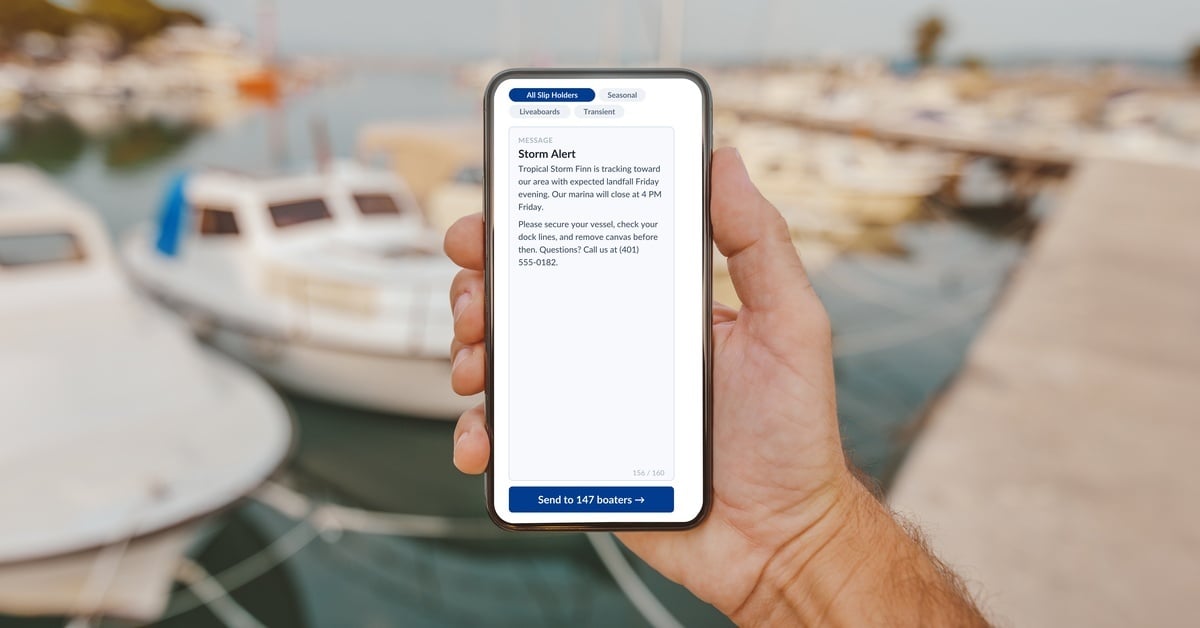
Peak hurricane season runs August through October. If you're on the Atlantic or Gulf coast, you already know this, and you probably have some version...