1 min read
Your Marina Has a Story to Tell. Boaters Want to Hear It. We Want to Share It.
The Running Fix Newsletter reaches 120,000+ active boaters planning their next trip. Get featured — for free.
4 min read
Erin Sayer
:
July 10, 2026
How moving your long-term agreements onto one system protects your revenue, your season, and your staff's sanity.
Walk the docks at most marinas and you’ll find a business that runs, in large part, on paper. There’s a binder of slip agreements in the harbormaster’s office. A spreadsheet — or three — tracking who’s paid and who hasn’t. A filing cabinet where last season’s renewals live, at least the ones you can find. It works. Mostly. Right up until the one stretch of the year when it really, truly doesn’t: renewal season.
If that sounds familiar, you’re in good company. For decades, long-term contracts, seasonal slips, and winter storage were the parts of the marina that stayed analog while everything else slowly went digital. But that’s changing fast, and the marinas making the switch aren’t doing it for the sake of technology. They’re doing it because paper has started to cost them real money.
Running contracts by hand carries a set of costs that rarely show up on any invoice, which is exactly why they’re so easy to miss:
None of these is catastrophic on its own. Together, across a full roster of slip holders, they add up to a tax you pay every single year — in lost revenue, wasted hours, and goodwill.
Marinas have gotten by on paper for a long time, so why is this the moment so many are moving on? A few pressures have converged.
Staffing is tighter. Fewer people are running more docks, and no one has spare hours to hand-key renewals or reconcile a spreadsheet against a bank deposit.
Boater expectations have shifted. The same customer who books a transient night in ninety seconds online now wonders why their annual slip requires a printout.
And the revenue math has changed. Long-term contracts, storage, and auto-renewing agreements are the most predictable money a marina makes. Leaving that revenue to manual processes — where it’s vulnerable to a missed date or a forgotten follow-up — is a risk more operators are no longer willing to take.
Digitizing contracts isn’t about scanning your paperwork into a PDF. It’s about turning the whole renewal cycle into something that mostly runs itself:
Put together, that’s the difference between spending renewal season heads-down at a desk and spending it out on the docks.
The part most marinas get wrong
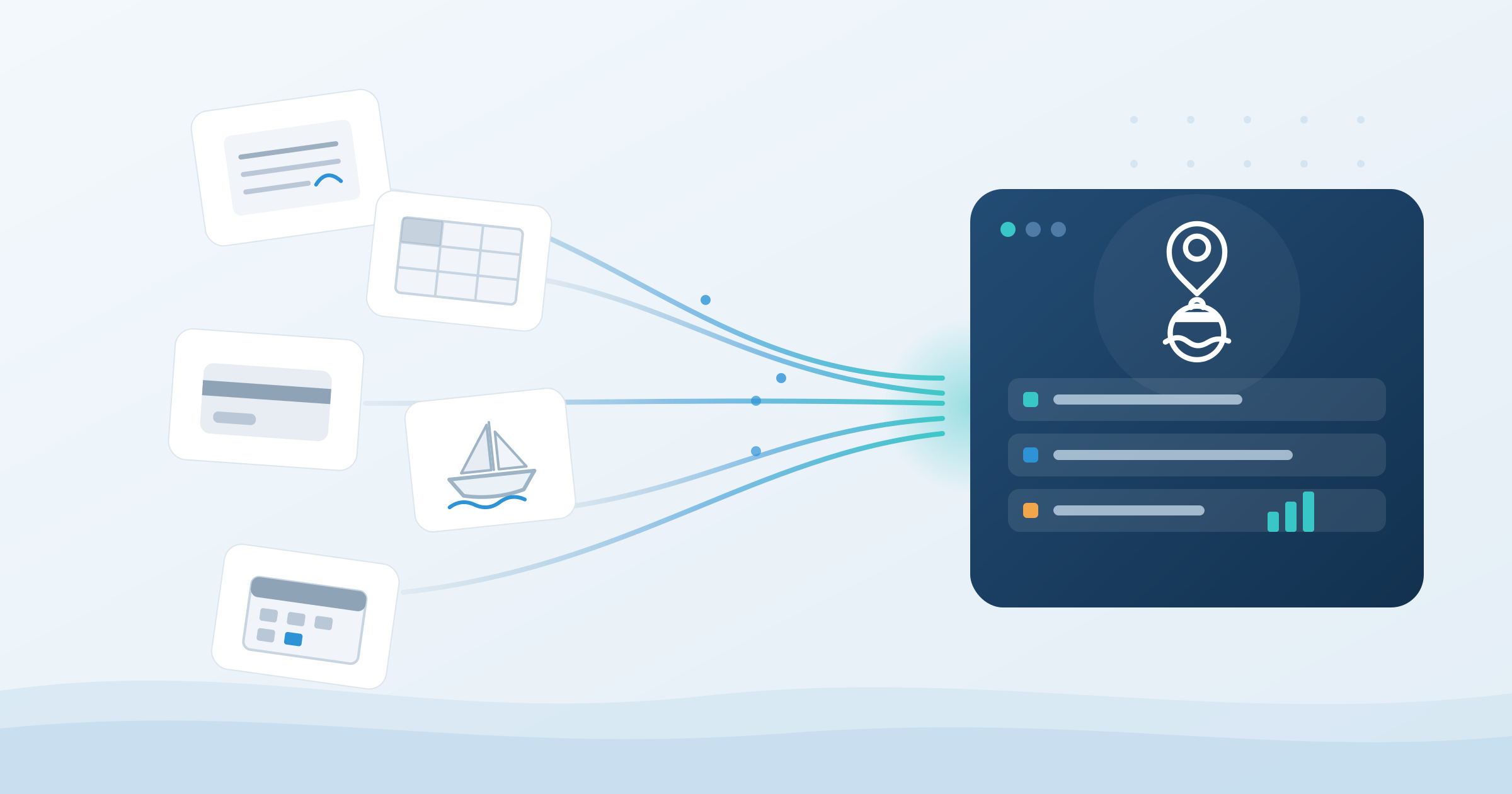
Here’s the trap: it’s tempting to solve the contracts problem by bolting on one more piece of software. A contracts tool here, a payments tool there, a separate system for transient bookings, another for the fuel dock. Before long you’ve traded a paper problem for a login problem — five systems that don’t talk to each other, five bills, and a boater whose information lives in all of them and none of them.
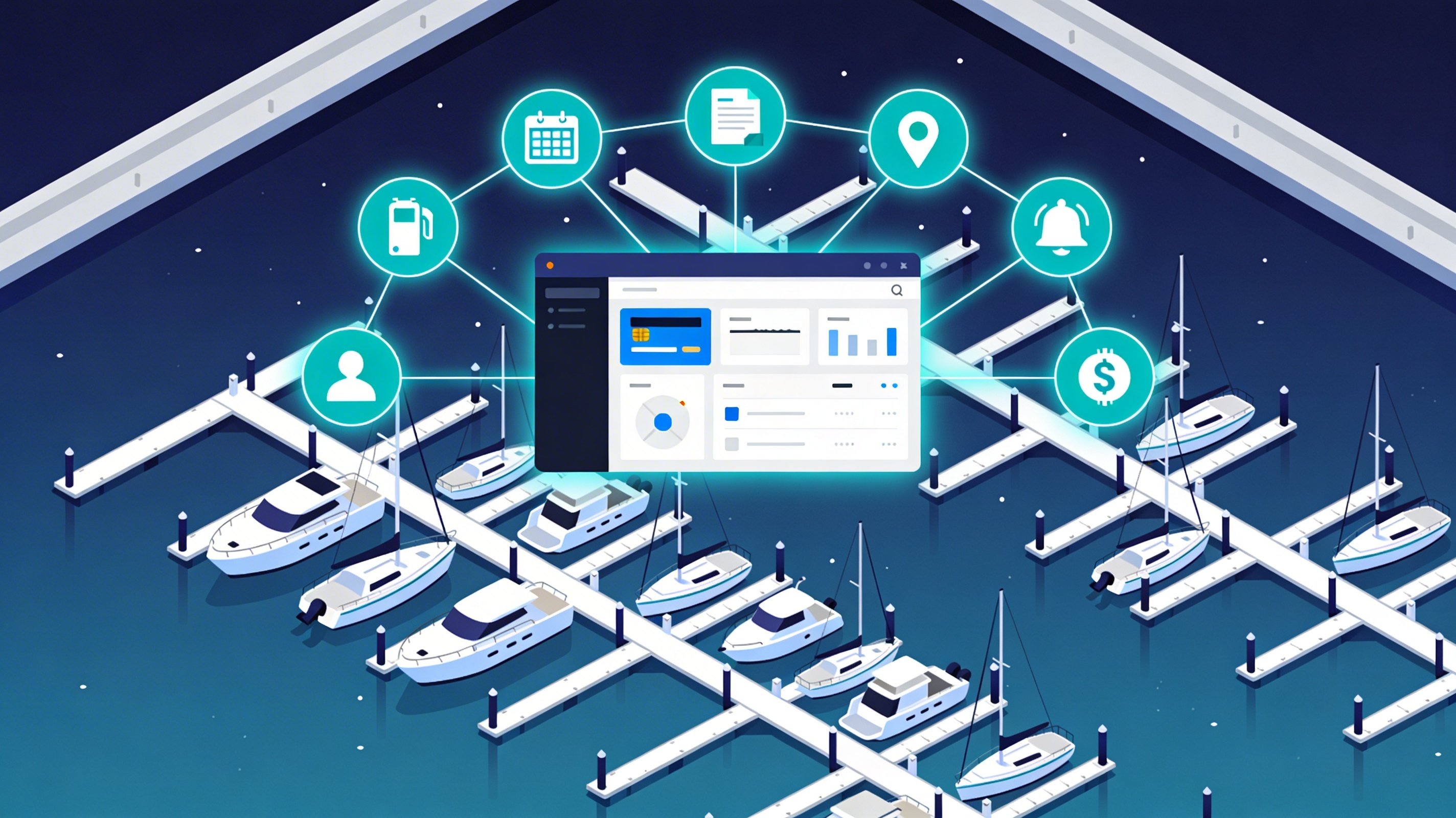
The marinas pulling ahead are taking a different path. They’re running the whole operation — transient reservations, long-term contracts, storage, payments, and the customer relationships behind all of it — on one system. When contracts live in the same place as your bookings and your payments, a captain isn’t a row in three spreadsheets; they’re one record. Renewals aren’t a separate project; they’re part of how the marina already runs. That’s the real shift: not from paper to software, but from a stack of disconnected tools to a single operating system for the marina.
You don't have to boil the ocean
Moving off paper sounds like a big lift, especially in season. It doesn’t have to be. The most successful marinas start with one thing — usually next season’s renewals — and let the system do the heavy lifting from there. And the best time to set it up is precisely when the docks are quieting down. Get it standing over the off-season, and you head into spring with your slip holders, agreements, and payments already in order.
If you’re already taking transient bookings on Dockwa, this is a natural next step rather than a new platform to learn — the same system you use in season simply starts handling your year-round revenue too. And if you’re running a claimed or free listing today, digitizing your contracts is one of the clearest first moves to a marina that runs itself.
The bottom line
The marinas that are pulling ahead aren’t working harder at renewal season. They’ve stopped doing renewals by hand. They’ve moved from the clipboard to the command center — one place where every captain and every contract lives, and where the off-season quietly sets up the season ahead.
That’s exactly what Captains & Contracts is built to do. If digitizing your agreements is on your list for this off-season, it’s worth twenty minutes to see how it fits with the rest of your marina.
1 min read
The Running Fix Newsletter reaches 120,000+ active boaters planning their next trip. Get featured — for free.
1 min read
Ah, Emails. We all love them, right? As much as people talk about hating "spam," the power and effectiveness of email marketing is undeniable. ...
1 min read
It's Monday morning.