

At Dockwa, we meet many boaters who are somewhere between dreaming and doing... scrolling through anchorages on lunch breaks and quietly wondering if a full-time life on the water is actually possible for someone like them. Brian Currier’s story answers that question honestly. He didn’t grow up sailing, didn’t come from money, and didn’t follow a perfectly mapped-out path to cruising. What he had was curiosity, grit, and the willingness to redefine what “enough” really meant.
Fourteen years later, he’s logged over 50,000 nautical miles, visited 20 countries, and helped build organizations that support cruisers around the world. This isn’t a story about perfection, it’s about leaning on community and choosing freedom over convention. If you’ve ever wondered whether this life is truly attainable, this story is for you. You don’t have to be ready. You just have to begin.
Pursuing A Life At Sea & Building Community
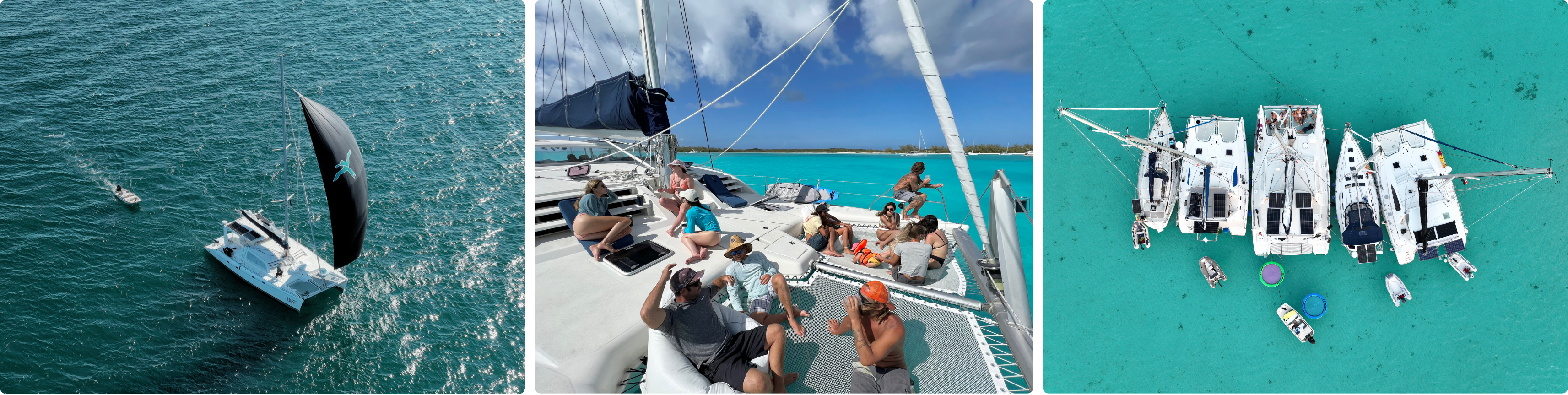
By Brian Currier - SV LOST
I’ve been living on the water for 14 incredible years. I’ve sailed over 50,000 nautical miles and visited 20 countries in that time.
None of that was part of a master plan. I didn’t grow up sailing. I didn’t come from money. And for a long time, I didn’t even know that cruising was a thing real people did.
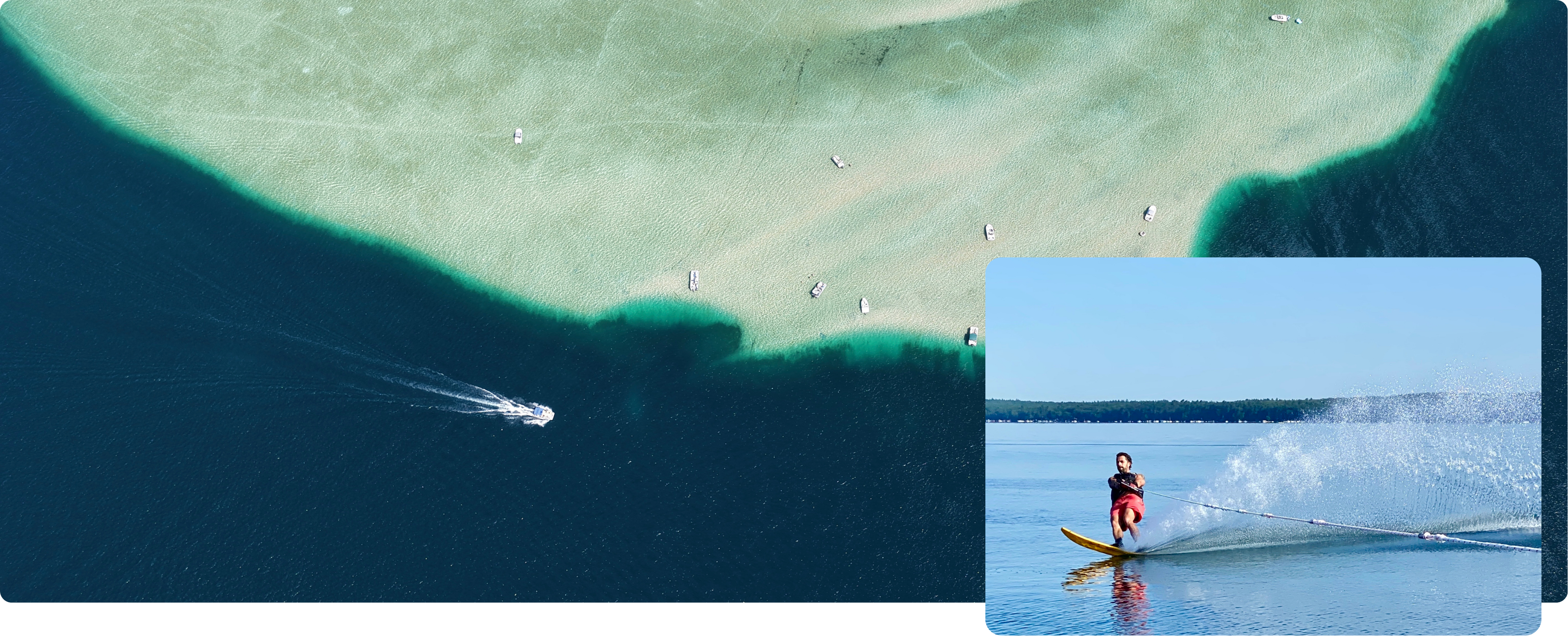
I grew up in Southeast Michigan, where childhood meant surviving long, brutal winters by sprinting between heated cars and heated buildings, while summers felt like pure magic. Anyone from Michigan understands the phrase “up north.” It means lakefront cabins tucked among birch trees, water so clear it looks fake, bonfires that burn until sunrise, and glassy mornings where you ski until your legs turn to jelly.
I was lucky enough to have access to a shared family cabin on Higgins Lake, where I fell in love with boating. Don’t come to Michigan without visiting this spot. With nearly 60 feet of visibility, it gives off Caribbean vibes that catch people completely off guard.
What I never loved was the cold. I didn’t just dislike it. I actively rebelled against it. Sandals until my toes went numb. My winter jacket stayed buried in the closet until hypothermia became a legitimate concern. I never wanted to leave Michigan for good, but I did want more warm days, more water time, and significantly more life lived in flip flops.
What I didn’t yet understand was that an endless summer on the water was even an option.
After college, I landed in a job that looked fine on paper and felt wrong everywhere else. I worked a nine to five for a company I won’t name. It was the kind of place movies like Joe vs. the Volcano are made about. Fluorescent lights. Windowless rooms. A low, constant hum of burnout. I was the lead technician for the company, even though it wasn’t what I had gone to school for and definitely wasn’t where I imagined myself ending up. It paid the bills, but it drained everything else.
There’s a moment from that job I’ll never forget: I had worked a long shift after barely sleeping the night before. I stopped at the grocery store, made some pasta, watched exactly one episode of TV, and went to bed. My entire social life revolved around work. I know that’s normal for a lot of people, but fresh out of college, it felt deeply wrong.
That night, I dreamed I worked a full shift at that same job. When I woke up, I was furious. I had just worked a double shift but would only get paid for half the work.
That was the moment I realized the real cost of that life wasn’t money. It was time.
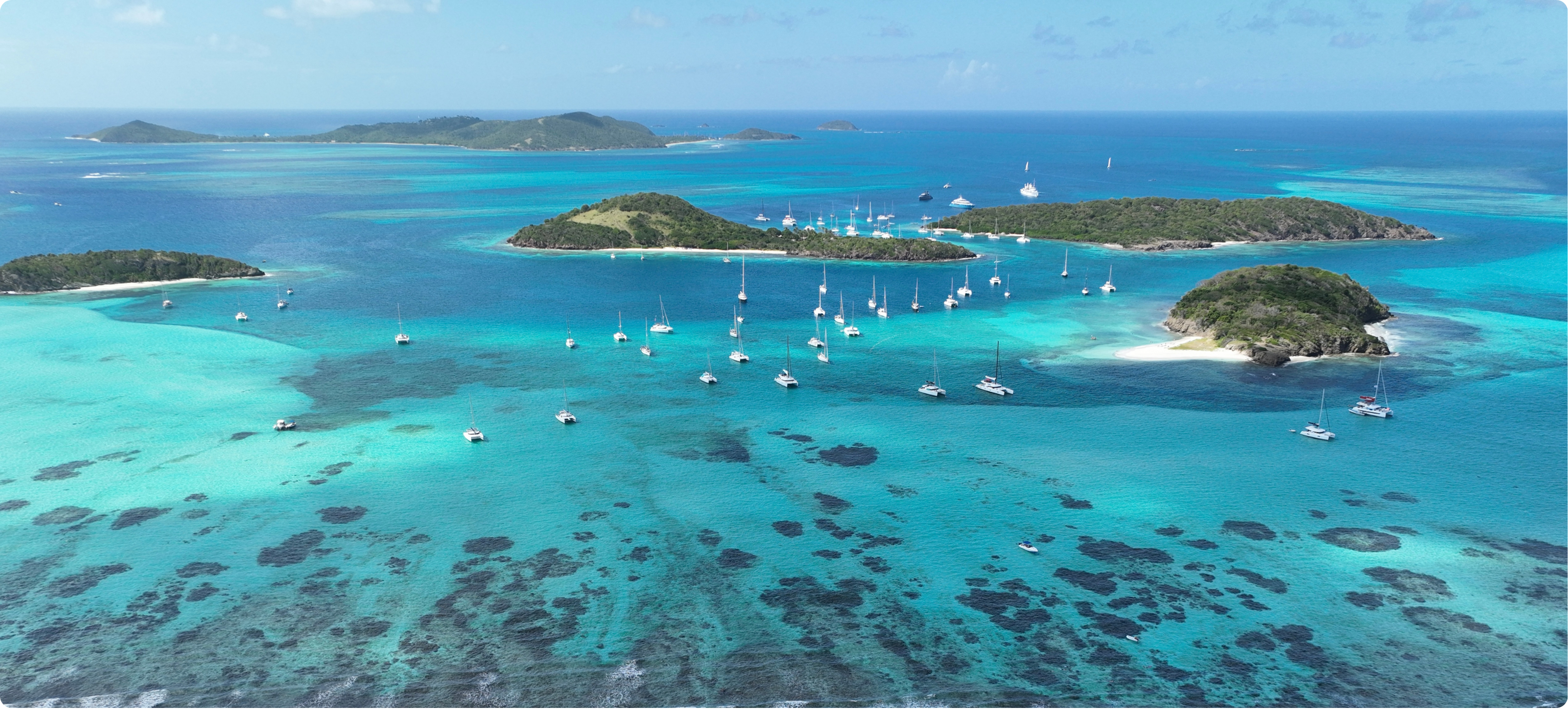
Not long after that, while half heartedly scrolling online looking for anything that didn’t remind me of work, I stumbled onto a sailing blog. At first, it felt like pure escapism. Pretty anchorages. Clear water. People smiling in places I associated with vacation, not real life.
Then I kept reading.
Buried in one of the posts was a simple breakdown of their monthly expenses. Food. Insurance. Fuel. Maintenance. The occasional marina stay. It was a spreadsheet. And it stopped me cold.
They were retired, but they weren’t wealthy in the traditional sense. They were resourceful. They were intentional. And they were living on far less than I was spending to be miserable on land. That was the moment everything clicked. I didn’t need a massive salary to live richly. I didn’t need to wait until retirement. I didn’t need permission. I just needed to find a way to earn an income remotely and build toward that number instead of chasing some moving definition of success.
That blog didn’t make me quit my job but it made the dream feel feasible.
So I started building.
After work and on weekends, I taught myself what I didn’t know. I had no idea how search engines worked, but I was determined and competitive enough to figure it out. I built multiple sites at once, testing ideas, throwing out what didn’t work, and doubling down on what did. Before long, people started showing up.
Not overnight. Not magically. But steadily enough to change how I thought about my future. Once I started working for myself, two things became clear almost immediately. Knowing they were true was powerful.
First, an eight hour day working for yourself can accomplish a shocking amount. There are no meetings. No permission seeking. No pretending to be busy. Every decision matters, and progress stacks quickly when the goal isn’t growth for growth’s sake, but freedom.
Second, I realized I didn’t need to build more than I wanted to live. I just needed to build enough. When you put a real number on the life you want, food, insurance, fuel, the work becomes intentional. Doubt fades. And when you build something genuinely useful, it often grows into something larger than you ever planned.
I wasn’t building a business to get rich. I was building one to get free.
Mentally, I was already sailing through the Caribbean with an ice cold beer in hand. In reality, I was getting way ahead of myself, because there was still one very real problem.
I didn’t know how to sail.
I had one friend crazy enough to join me on an open ended trip, despite neither of us having any experience. His name was also Brian, which felt like a sign, though not necessarily a good one. Regardless, he shared my distaste for the cold and that was enough. We took ASA 101. There was never a plan for 102 or beyond. We figured we’d learn the rest underway. In hindsight, that was optimistic.
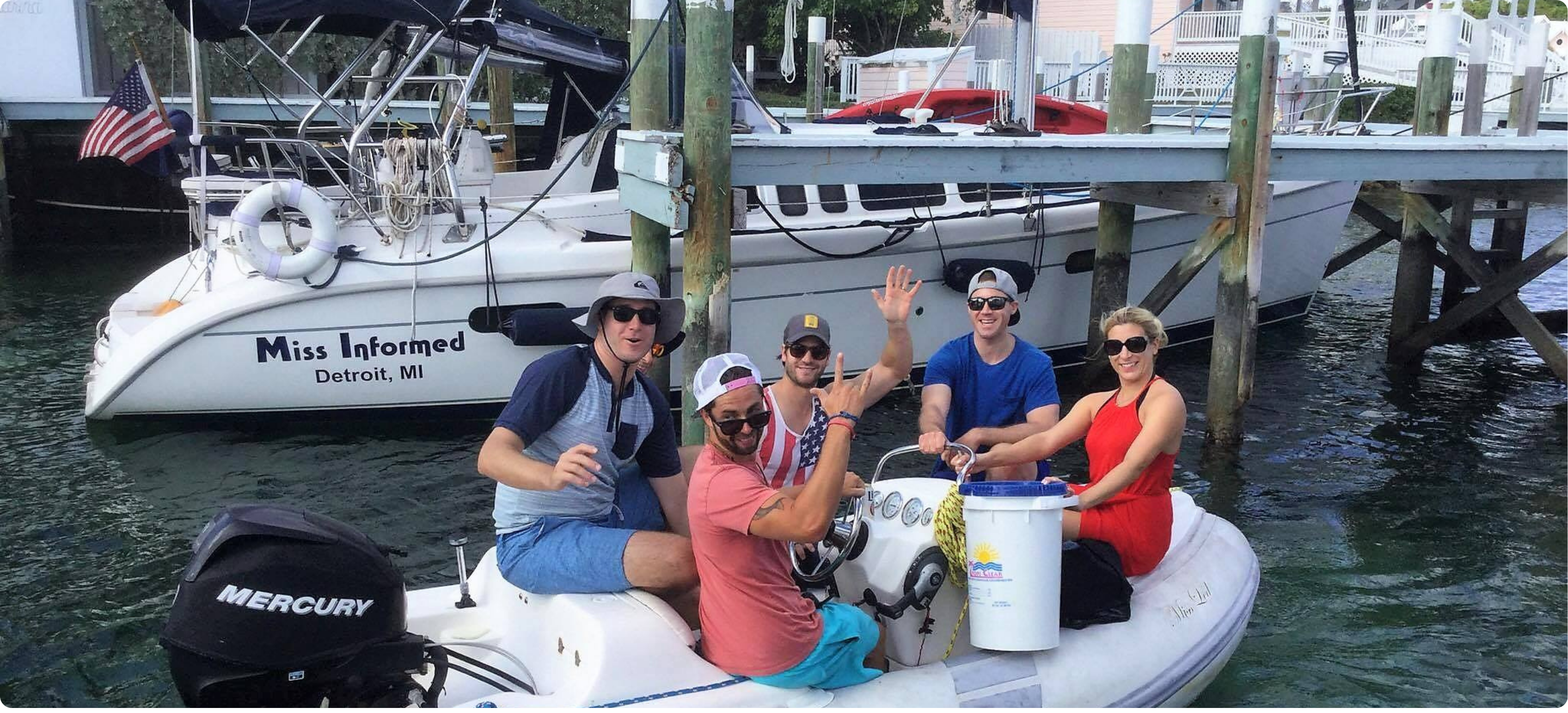
Winter was coming, and the boat search got serious fast. I landed on a Hunter 340 in Corpus Christi, Texas. I had her surveyed by someone I mistakenly believed was on my team and bought the boat sight unseen. (Pro tip, never hire the surveyor the seller recommends.) We were misinformed, generously speaking, about her condition.
The boat was a disaster. But we were in love.
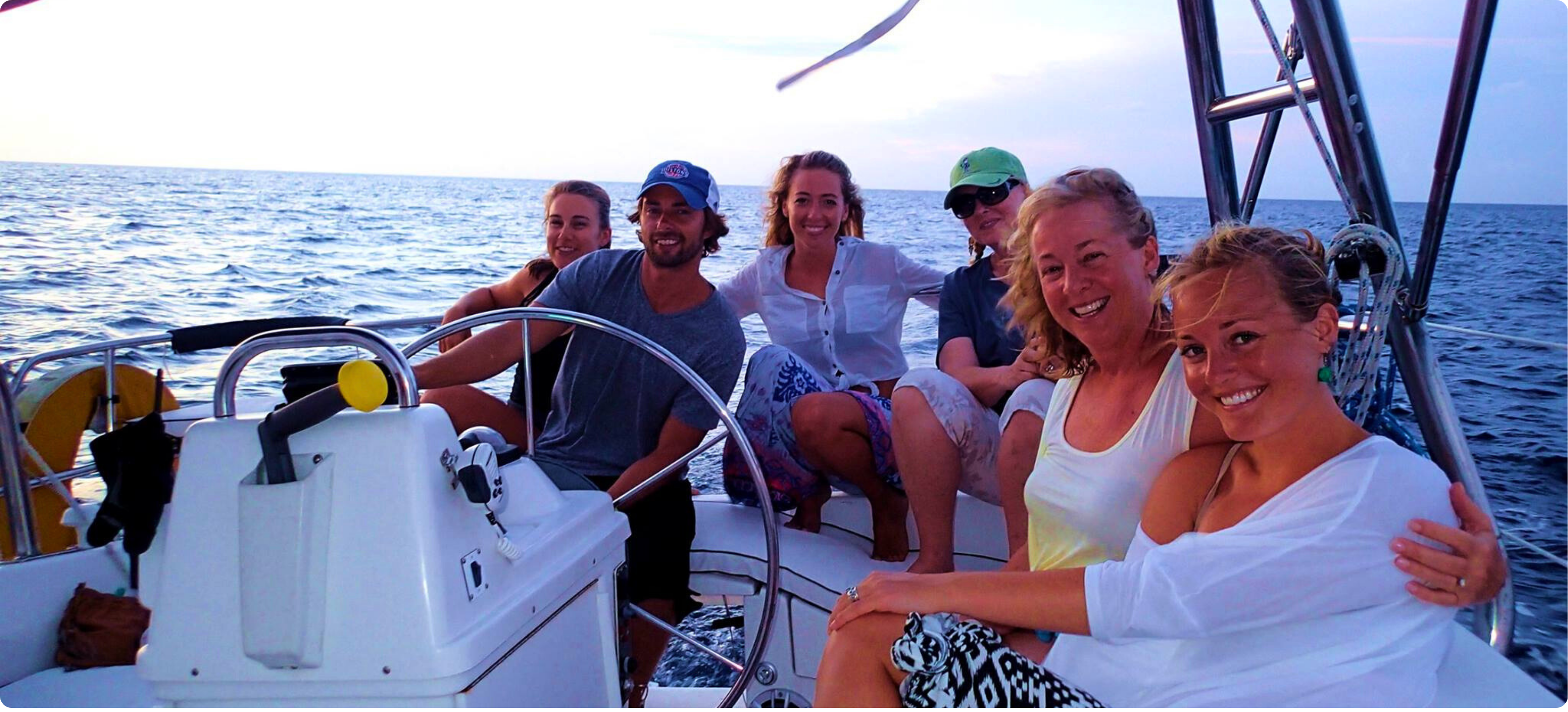
We named her Miss Informed, broke champagne on the bow, chanted the mandatory rituals, and convinced ourselves we had done all the right things. It felt like the start of something big. Weeks were spent learning every system, fixing what we could, and slowly realizing how much we didn’t know. That was also our first introduction to the cruising community. Some of the people I met on the dock that first week are still close friends today.
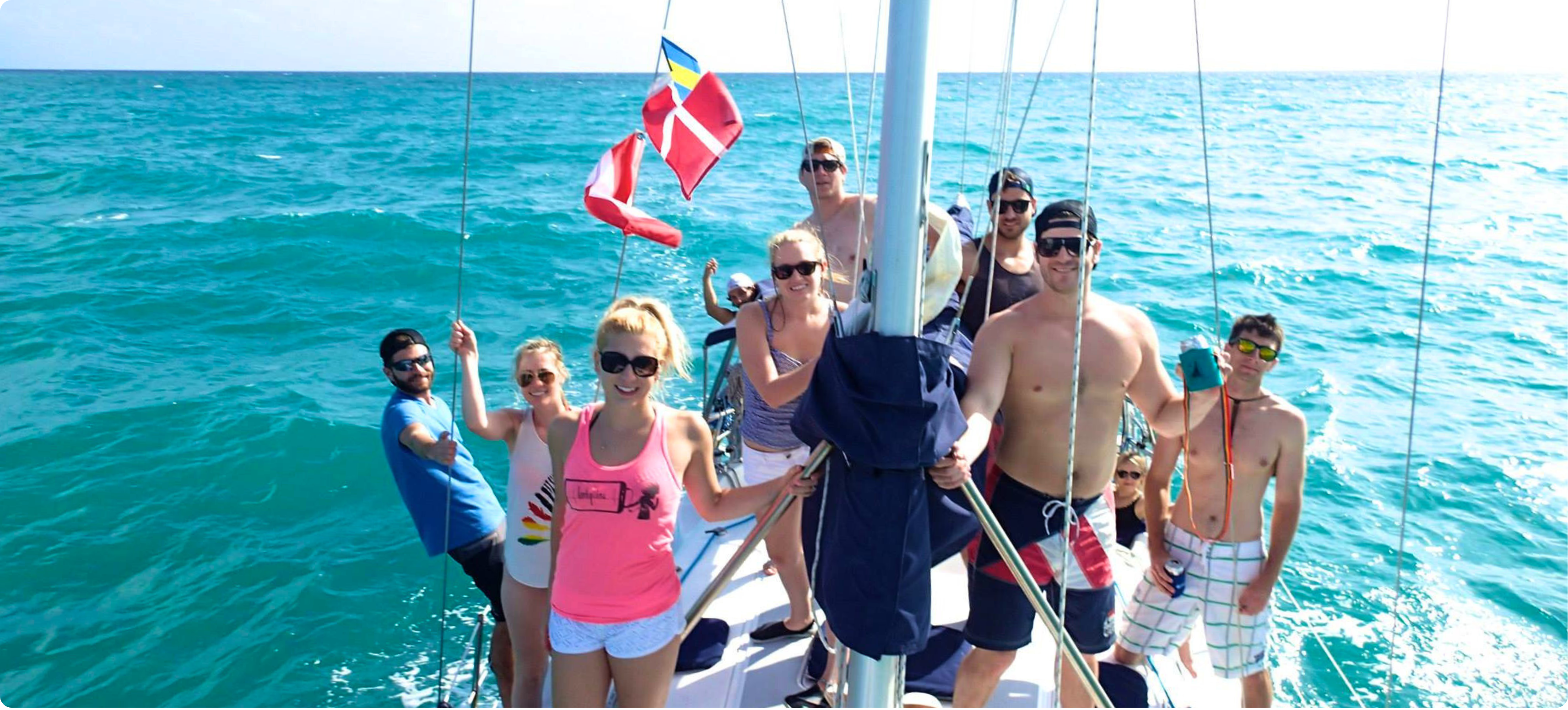
Some thought we were insane.
Some thought it was awesome.
Every single one of them helped us.
As the day came to shove off the dock for good, the excitement was matched by very real fear. We had no idea how much we didn’t know. That first year of sailing involved wrapping the anchor chain around our winged keel more times than I can count, surviving a named winter storm off the coast of Louisiana where we were rescued by the Coast Guard, and getting dismasted months later. The learning curve was steep, the problems felt endless, and we hadn’t even found clear water yet.
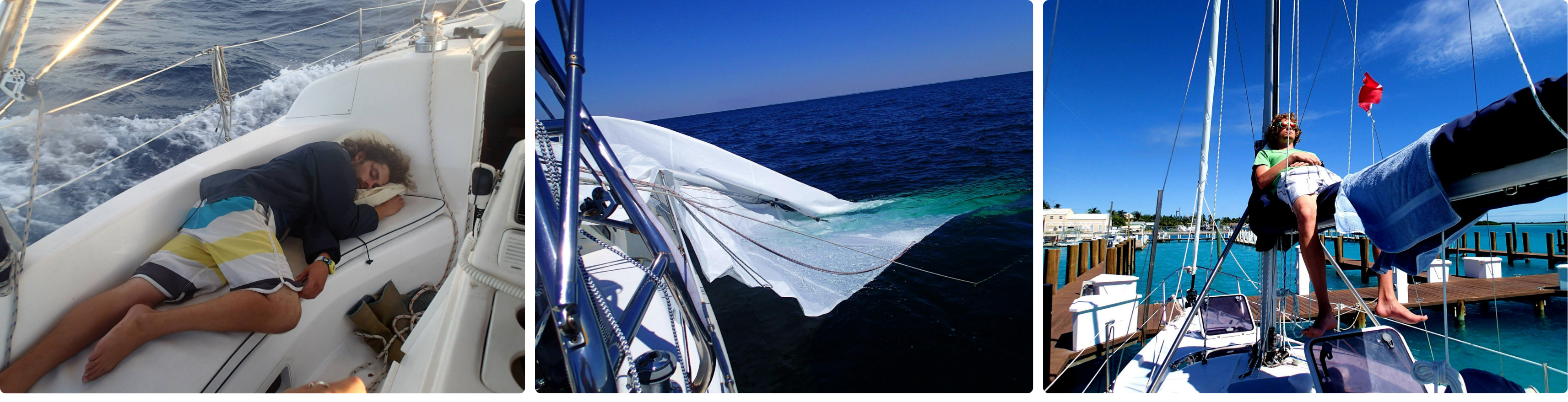
I could write a book about that first year of terror on Miss Informed. What matters is that we didn’t quit (because we had about a thousand good reasons to).
When you start cruising, you become part of something bigger than yourself. Not because you set out to join anything, but because life out here demands it. Everyone understands the same quiet truth: this life comes with real risks, and no one pretends otherwise.
Anchors drag at three in the morning. Gear fails far from help. Weather changes faster than forecasts. When those moments come, there’s no room for ego or indifference. You help because you can. Because you’ve been there. And because one day, it will be you on the other end of that call.
That’s what makes this community different. Strangers don’t stay strangers for long. Knowledge is shared freely. Tools change hands. Time is given without keeping score. Somewhere between the storms, the broken parts, and the long nights spent solving problems in unfamiliar places, trust forms quickly and deeply. Strangers become family and the world gets smaller.
Out there, community isn’t a bonus or a side effect. It’s what makes the whole thing possible.
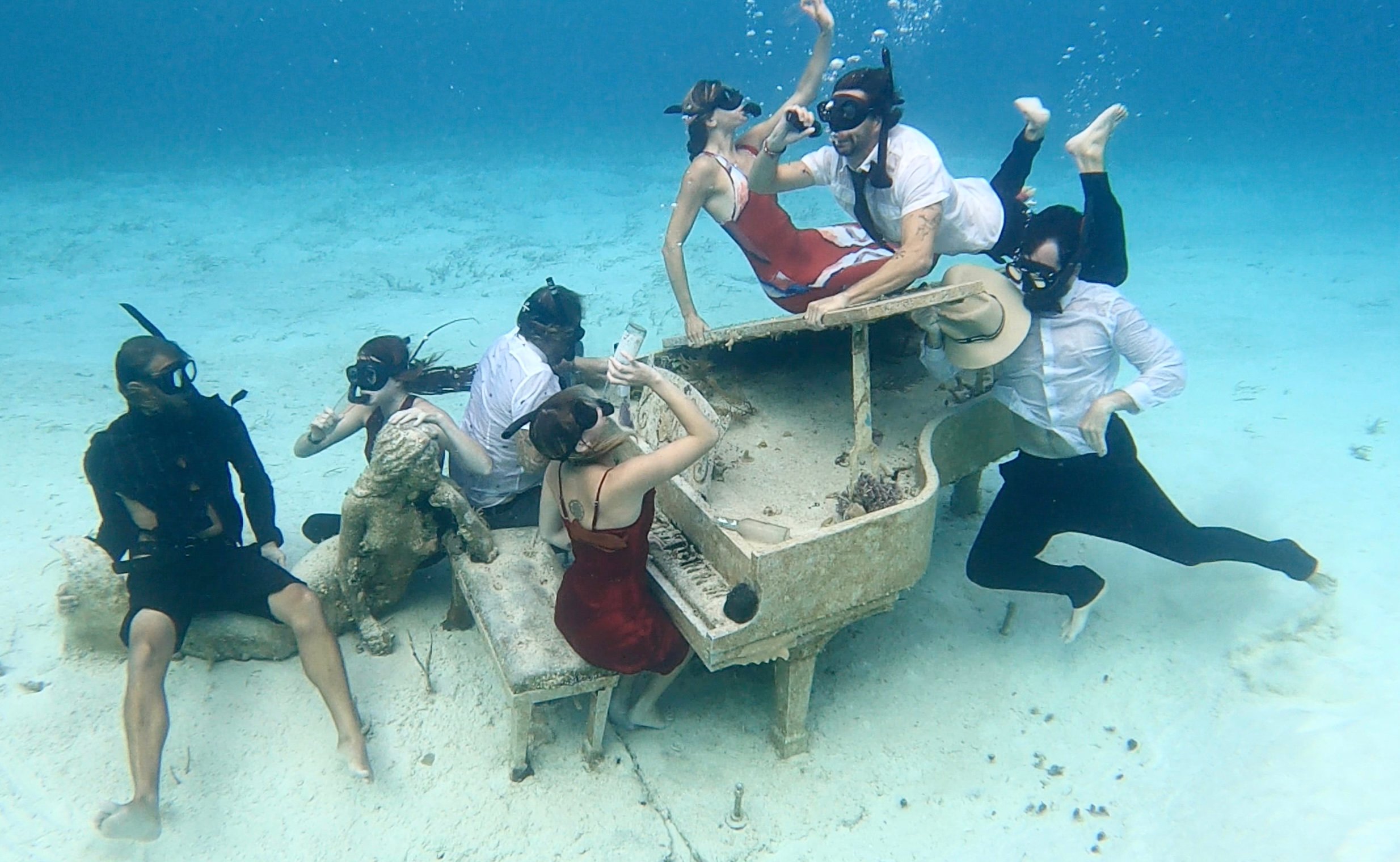
For the first half of my time living at sea, most of my closest friends were retirees. Out here, age fades fast. If you live on the water, you’re my people. And some of the cruisers in their 60s and 70s are among the wildest, most fearless humans you’ll ever meet.
Over the last eight years, though, there’s been a real shift. A younger generation has started finding its way to the water. Between groups like the Young Cruisers Association, inspirational YouTube channels, and tools like Starlink, the excuses that once kept people tied to the rat race have started to fall away. What’s arrived instead is a wave of young, wildly inexperienced sailors, showing up with big dreams and very little certainty.
Are there smarter ways to enter the cruising life? Absolutely. Take the classes. Watch the videos. Learn from people who’ve already made the mistakes. But don’t let the unknown stop you.
Complete strangers will help you when you least expect it. If you ever see me out there, maybe I’ll be one of them. I owe this community a lot, and paying it forward is part of the cruiser’s code.
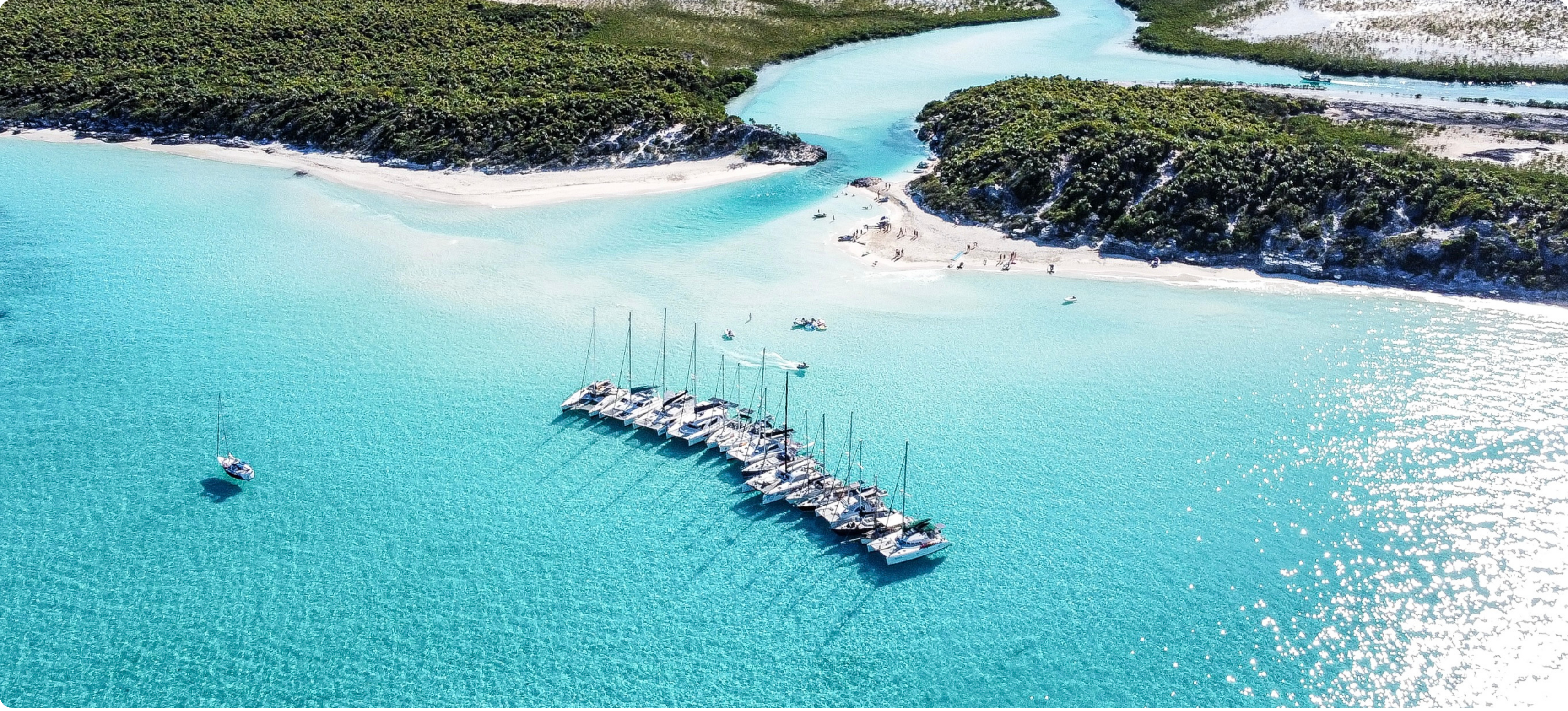
Fourteen years later, I’m still living at sea, traveling with the seasons. Some of the businesses I built in that first year quietly became the backbone of everything that followed for me, but that was never the point.
What that stability gave me was margin. Time. The ability to say yes to things that mattered.
Over the years, that’s taken the shape of community and service more than anything else. I co-founded the Young Cruisers Association to help connect and support a growing generation of people choosing this life earlier than anyone thought possible. I co-founded the SeaPeople app to give boaters a better way to stay connected and document their lives on the water. I serve on the board of the Chasing Bubbles Foundation, which uses adventure to empower kids throughout the Caribbean, and on the board of Boats Without Borders, helping deliver rapid maritime disaster response when it’s needed most.
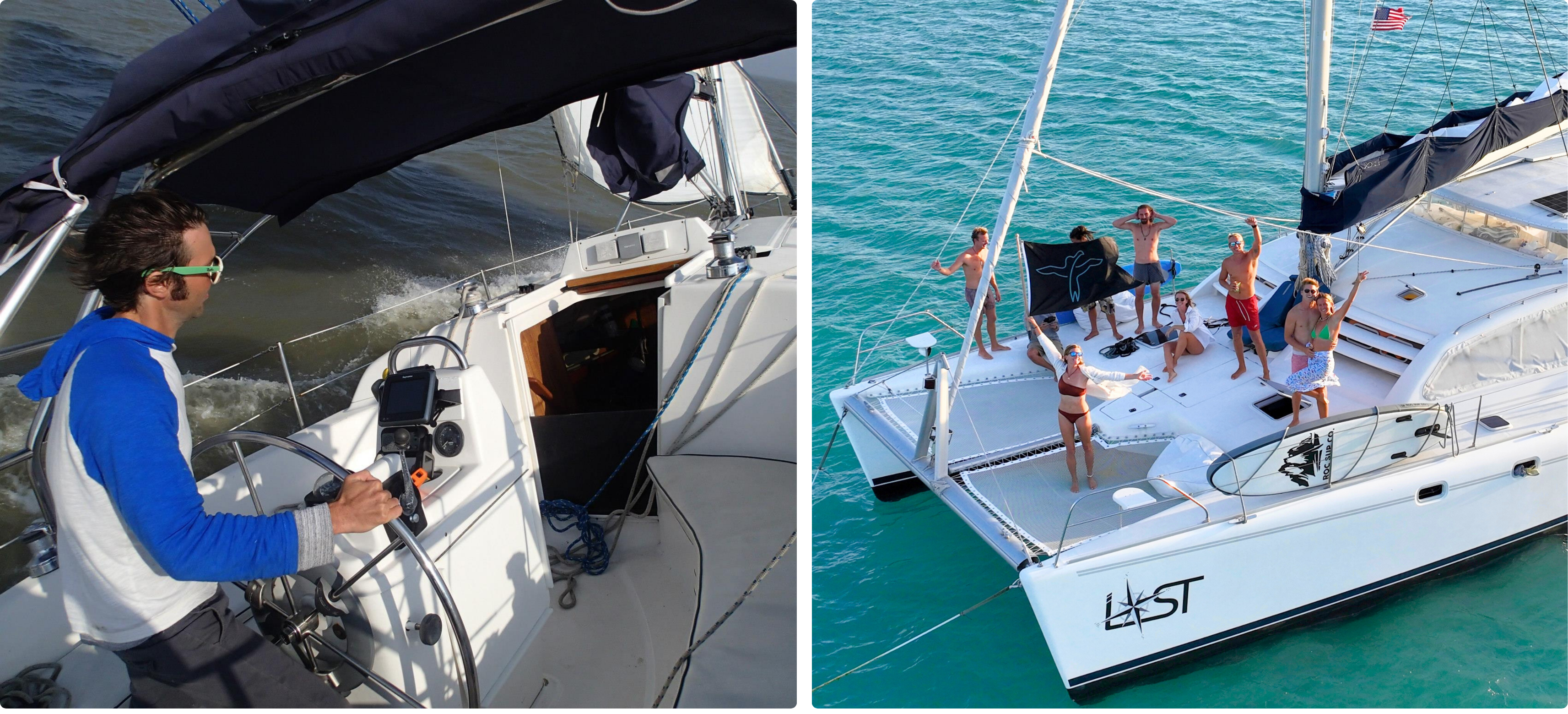
None of that was planned at the beginning. It all grew out of having enough, and the freedom to decide how I wanted to spend my time. The point was learning that a good life at sea doesn’t require much. Just intention. Resourcefulness. And the willingness to start before you feel ready. Once you understand that, leaving land isn’t dramatic.
It’s just the next reasonable step.
Be the first to access boater stories like this one by subscribing to our boater newsletters,
The Running Fix and Dock Talk!


