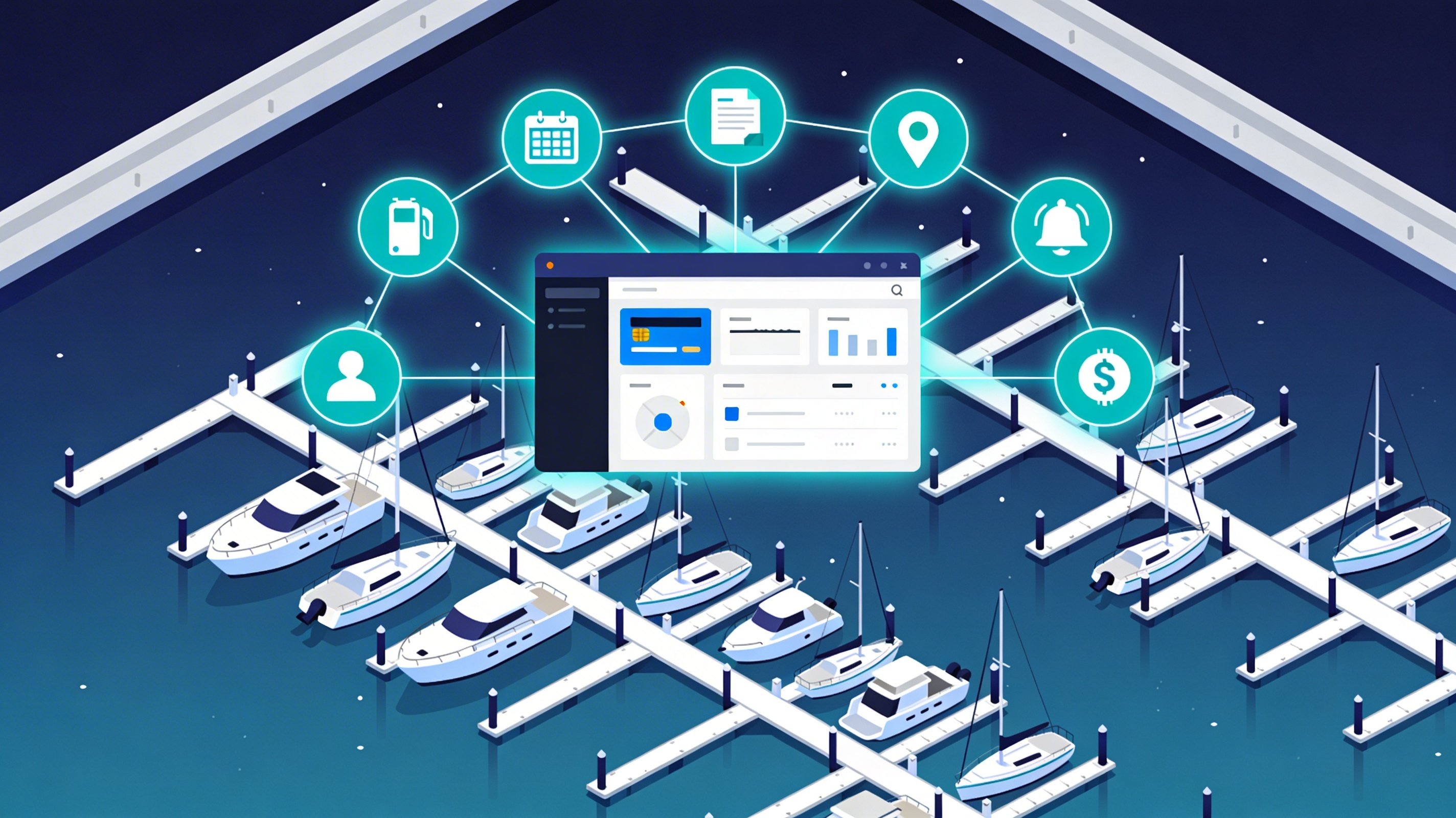
Ask most marina operators how many software systems they're running and they'll guess somewhere between three and five. The actual count is usually higher. Not because anyone planned it that way, but because marina operations are complex, and tools get added one at a time to solve one problem at a time.
A reservation system for transients. A separate contract tool for seasonal slip holders. A POS system at the fuel dock. A dry stack or storage system that doesn't connect to anything else. A spreadsheet for the waitlist. Work orders tracked on a whiteboard or in a separate system. Billing that lives somewhere else.
By the time you step back and count, you're often looking at eight or ten systems that don't talk to each other, and a team spending a significant part of their week moving data between them.
Walk through a typical day
The clearest way to audit your tech stack is to follow the work. Start at the beginning of a day and track every system someone touches.
A transient reservation comes in overnight. Someone logs into the booking system to confirm it. The guest's information needs to make it into the dock assignment tool. If they're paying on arrival, that's a POS transaction. If they ask about fuel, that's a separate system. If there's a service request, that goes somewhere else.
A dry stack customer calls to schedule a launch. Where does that request get logged? Does it connect to their billing record, or does someone reconcile it later? If a boat is being moved to storage for the season, how does that get tracked and does it update availability anywhere?
Meanwhile, a seasonal slip holder calls about their contract. Someone pulls it up. If there's a question about their balance, where does that answer come from? If they want to update their contact information, where does that get recorded?
By noon, a typical marina team has touched half a dozen systems just to handle routine requests. The information exists somewhere. It just doesn't exist in the same place.
Why this matters more than it seems
Disconnected systems create three problems that compound over time.
The first is data integrity. When the same information lives in multiple places and gets updated in some but not others, you end up with records that don't agree. A slip holder's contact information in your reservation system is different from what's in your contract tool. Neither is definitively correct.
The second is time. Every handoff between systems is a manual step that someone has to take. That time adds up, and it usually falls on the people who can least afford to lose it.
The third is visibility. When data is fragmented, no single view shows you the full picture. Generating a report for ownership means pulling from three places and hoping the numbers reconcile.
The self-audit: count your systems
Work through the categories below and add up the number of different tools your team uses, including spreadsheets, shared documents, and anything that's "always just been done this way."
Reservations and bookings
| Transient reservations | |
| Seasonal slip assignments | |
| Waitlist management |
Payments and billing
| POS/point-of-sale | |
| Invoice & contract billing | |
| Fuel transactions | |
| Payment reconciliation |
Contracts and compliance
| Seasonal slip contracts | |
| Insurance tracking | |
| Document storage |
Guest and boater communication
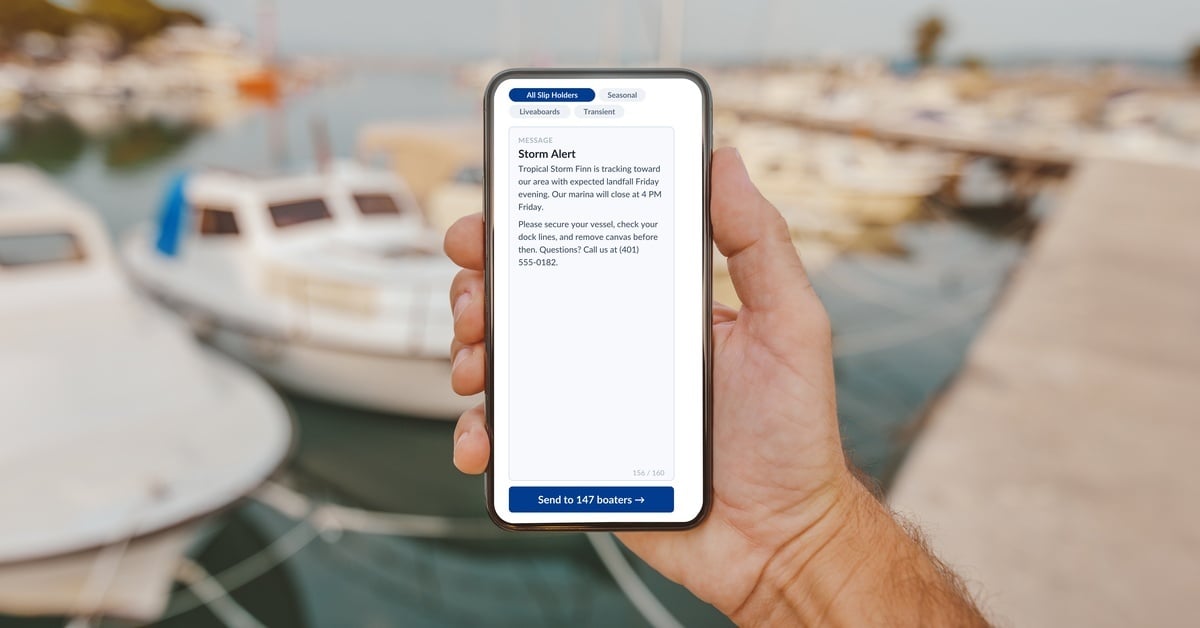
| Bulk messaging |
Reporting and ownership
| Occupancy reporting | |
| Revenue/rent roll | |
| Month-end & year-end reporting |
Operations
| Work orders/service requests | |
| Storage/dry stack | |
| Spaced and slip configuration |
If you're marking more than one tool per category, that's a data handoff. If you're marking spreadsheets in multiple categories, that's manual reconciliation. Most marinas end up with a list that surprises them.
What a marina management system actually solves
The value of a true MMS isn't that it does everything. It's that the things it does share the same data. A reservation creates a record. That record connects to billing. Billing connects to reporting. A boater's information lives once and appears everywhere it's needed.
For operators, this means less time on administration and more confidence that the information you're working from is accurate. For ownership, it means reporting that's available on demand and reflects what's actually happening.
Dockwa is built as a marina management system: reservations, contracts, payments, dry stack and storage, communication, and reporting in one place. If your audit turns up a list of disconnected tools, it's worth knowing what a single system actually looks like in practice.
See what a consolidated stack would look like for your marina. Book 15 minutes with our team →
Erin Sayer